CULTURE / FINLAND / STUDY PLANNING
Considering a degree in Finland? Start with the course.
Build a useful shortlist with official programme pages, realistic funding checks and a clear record of your qualifications before applying.
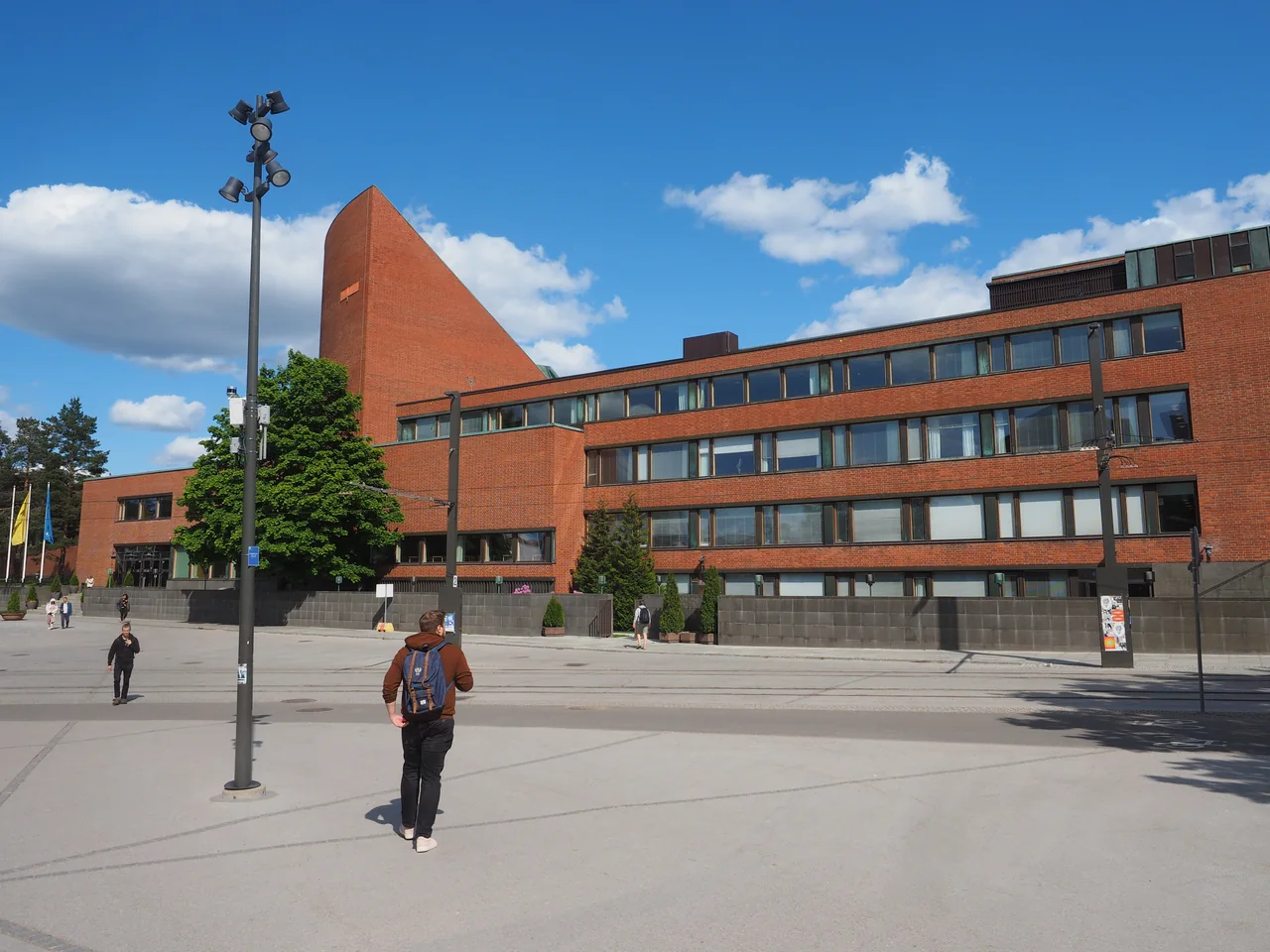
A campus film can make studying in Finland feel close. The next step is to turn that interest into a short, workable list of courses. Start with the subject you want to study, the qualification you already hold and when you hope to begin. Keep one simple comparison sheet, with an official programme link beside every option.
Understand the type of institution as well as the degree title. Finnish universities offer research-based education, while universities of applied sciences, often shortened to UAS, emphasise professional practice. Compare the course content and teaching approach with your goals. A familiar city or an attractive campus photograph is a starting point for curiosity, rather than the whole decision.
Use Studyinfo, Finland’s official application portal, and the institution’s own admissions pages to check eligibility. Bachelor’s and master’s routes have different requirements; UAS master’s programmes also require relevant work experience. Record your qualification, subject, grades and grading scale accurately. Read the document instructions before arranging translations or paying for a test, and ask the admissions service when a requirement is unclear.
Give every programme its own deadline entry. Joint and separate applications can follow different calendars. For one current example, checked on 12 November 2026, Aalto’s English-taught bachelor’s admissions page lists 7–22 January 2027 as its next application period. That is an Aalto example, not a nationwide deadline. Follow the linked university instructions for the correct route and supporting-document deadlines.
Keep English-language evidence in a separate column. Accepted tests, minimum scores and possible exemptions depend on the programme. Speaking English comfortably does not by itself establish that you meet a particular admissions rule. Check whether your existing evidence is accepted and leave time for any required test and result delivery.
Build a funding plan alongside the shortlist. English-taught bachelor’s and master’s programmes usually charge tuition to students from outside the EU/EEA and Switzerland, with exceptions depending on the individual situation. Check the exact programme fee and any scholarship conditions. Budget separately for housing, everyday expenses, travel and other required costs; possible part-time work should not be the foundation of that plan. Use the official fees and living-cost guide for current figures.
Our Aalto orientation-day film offers a glimpse of campus atmosphere in the capital region. It is an independent recorded visit, not evidence of admission, a university endorsement or today’s campus arrangements. Once the academic shortlist is clearer, our Helsinki first-visit and winter-clothing guides can help you picture the practical side of arriving and settling into a new season.
SEE IT FOR YOURSELF
A little closer, on film.
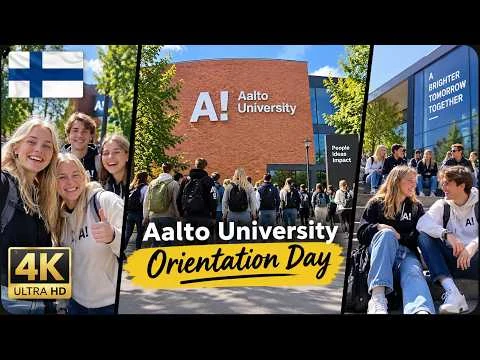 20:24WALK WITH ME FINLAND / FILM
Aalto University, on orientation day
A filmed glimpse of orientation day and the atmosphere around campus.
Watch on YouTube ↗Opens on YouTube · Walk With Me Finland